
Discover the Ultimate Touch Screen TV Monitor That Will Transform Your Viewing Experience!
In the age of technological advancements, touch screen TV monitors have emerged as a fascinating innovation that is rapidly gaining popularity in modern households. These devices not only offer a unique way to interact with your viewing content but also enhance the overall experience, making it more engaging and interactive. Imagine being able to browse through your favorite shows, play games, or control your smart home devices simply by tapping the screen! With the convenience of touch functionality, users can enjoy a seamless transition between entertainment and practical applications, transforming how we consume content and interact with technology. Whether you're an avid gamer, a movie enthusiast, or simply looking to enhance your smart home setup, investing in a touch screen TV monitor can elevate your viewing experience to new heights.
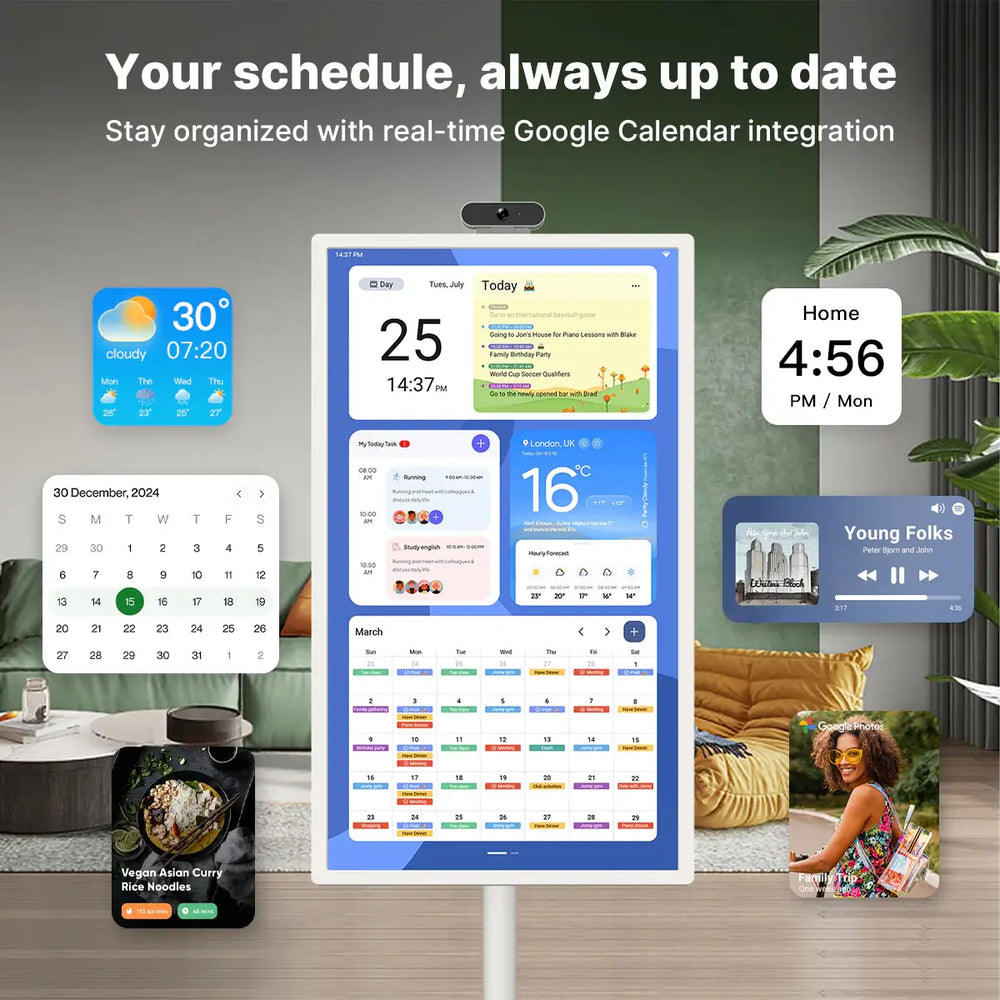
Understanding Touch Screen Technology
At the heart of touch screen TV monitors lies the fascinating technology that allows users to interact directly with what they see on the screen. Touch screens can be categorized into different types, with the most common being capacitive and resistive. Capacitive touch screens work by sensing the electrical properties of the human body, making them highly responsive and perfect for multi-touch gestures, such as pinching and swiping. On the other hand, resistive touch screens rely on pressure, which can be activated with any object, including a stylus or finger. This technology significantly enhances user interaction, allowing for a more intuitive experience when navigating menus, searching for content, or controlling smart devices. As a result, touch screen TV monitors not only provide a more immersive viewing experience but also make it easier for users to engage with their favorite content in a way that traditional remote controls cannot match.
Benefits of Touch Screen TV Monitors
The advantages of using a touch screen TV monitor extend far beyond mere convenience. One of the most prominent benefits is the ease of use; the user interface is often more intuitive, which can especially benefit children and older adults who may struggle with traditional remotes. Additionally, these monitors offer exceptional versatility, serving not only as entertainment hubs but also as platforms for educational purposes. For instance, families can participate in interactive learning games or explore educational apps that make learning fun and engaging. A friend of mine recently purchased a touch screen TV monitor for her kids, and she shared how it has transformed family movie nights into interactive experiences, allowing them to explore behind-the-scenes content or trivia about the films they watch. Furthermore, with the rise of smart home technology, touch screen TV monitors can seamlessly integrate with various devices, enabling users to control lighting, security systems, and more—all from the comfort of their couch.
Choosing the Right Touch Screen TV Monitor
When it comes to selecting the perfect touch screen TV monitor, there are several key factors to consider to ensure you make a well-informed purchase. First and foremost, screen size is crucial; you’ll want to choose a size that fits your space while providing an immersive viewing experience. Additionally, resolution plays a vital role in picture clarity, so look for monitors that offer at least Full HD or 4K resolution for the best visual experience. Compatibility with other devices is another important consideration; ensure that the monitor can easily connect to your streaming devices, gaming consoles, and smart home systems. Another aspect to evaluate is the touch sensitivity—this determines how well the screen responds to your touch. Aim for a monitor with high responsiveness to enhance the user experience. Lastly, don’t forget to assess the build quality and user reviews, which can provide insights into the durability and performance of the monitor. Taking these factors into account will help you find a touch screen TV monitor that meets your needs and enhances your viewing pleasure.
Where to Buy Touch Screen TV Monitors
Finding the right touch screen TV monitor can seem overwhelming, but there are plenty of options available both online and in physical stores. Online shopping offers the convenience of browsing through a wide range of models, reading customer reviews, and comparing prices from the comfort of your home. Websites often provide detailed specifications and user feedback, which can be invaluable in making a decision. On the other hand, visiting a physical store allows you to see the monitors in action, test the touch functionality, and consult with sales representatives who can offer personalized advice based on your needs. Keep in mind the importance of return policies; whether you choose to shop online or in-store, understanding the return policy can give you peace of mind in case the monitor doesn’t meet your expectations. Ultimately, weigh the benefits of each purchasing method to find the best option that suits your shopping style.
Elevating Your Viewing Experience with Touch Technology
In summary, touch screen TV monitors represent a significant leap forward in how we interact with visual media. Their advanced touch technology, combined with numerous benefits such as ease of use, versatility, and enhanced engagement, makes them a compelling choice for anyone looking to elevate their viewing experience. By carefully considering key factors during the selection process and exploring various purchasing options, you can make an informed decision that aligns with your entertainment needs. So take the plunge into the world of touch screen TV monitors and discover how they can transform your home viewing experience!