
Unlocking Secrets: How Combination Locks Reveal Their Hidden Mechanics!
Combination locks have become an integral part of our daily security systems, from gym lockers to safes protecting valuable items. Unlike traditional locks that rely on keys, combination locks offer a unique method of securing possessions through a series of numbers or symbols. In this article, we will delve into the intricate mechanics of how keys work with combination locks. Understanding these mechanisms is crucial not only for troubleshooting when issues arise but also for enhancing your overall security. Let's embark on this journey to uncover the hidden mechanics that keep our belongings safe!
Understanding Combination Locks
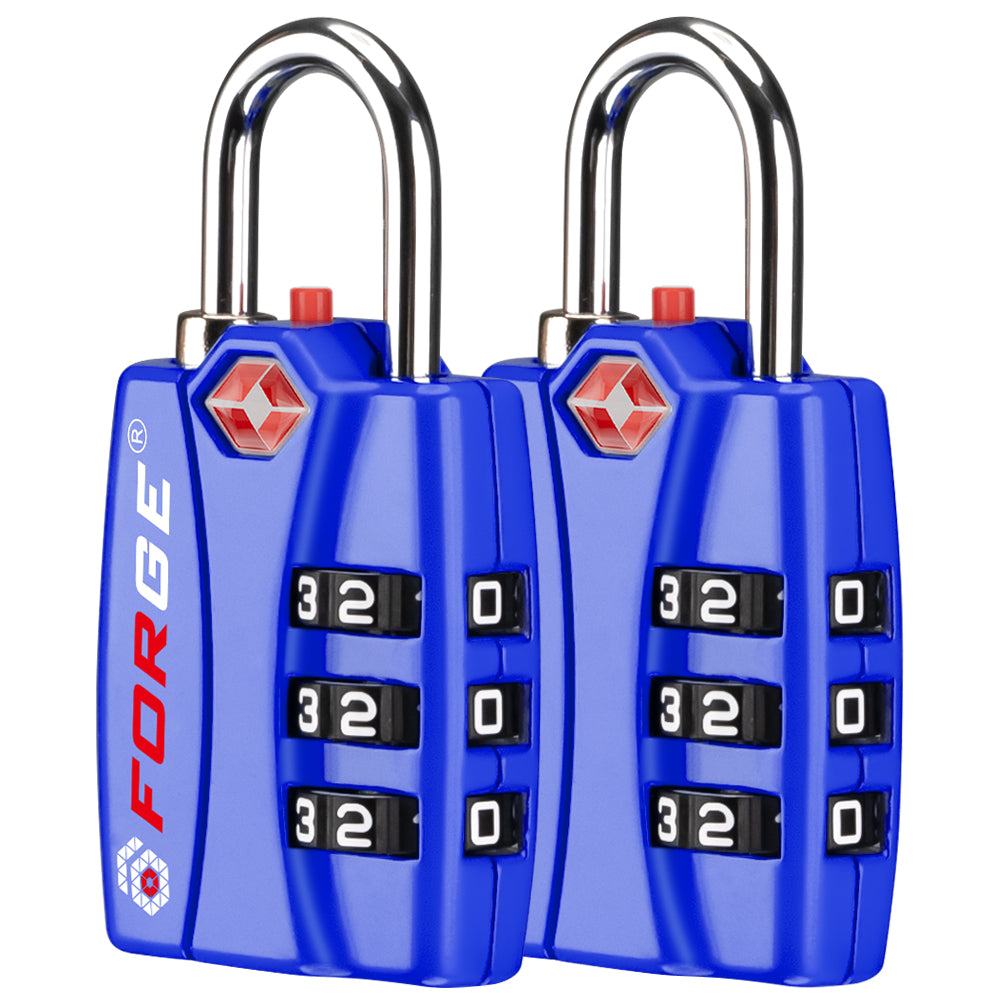
Combination locks operate on a fundamentally different principle than traditional locks. While traditional locks rely on a physical key to align pins or tumblers, combination locks use a series of rotating discs or dials. When you input a specific combination, these discs rotate to align internal mechanisms, allowing the lock to open. The basic components include a dial, a series of rotating discs, and a bolt that secures the lock. Each disc has notches that must align in a specific sequence for the lock to disengage, providing a robust layer of security. This intricate system not only deters unauthorized access but also makes combination locks a popular choice in various settings, from schools to businesses.
The Role of Keys in Combination Locks
While many combination locks rely solely on numerical input, some models incorporate keys as an additional layer of security. These keys can serve multiple purposes, such as resettable keys that allow users to change the combination or emergency keys that provide access when the combination is forgotten. In personal anecdotes, a friend once shared how a resettable key saved them from a locked safe situation, enabling them to regain access to important documents. Understanding the different types of keys associated with combination locks helps users appreciate their functionality and the added security they provide. Some locks even utilize a dual system, requiring both a combination and a key to unlock, significantly enhancing their security profile.
Common Challenges and Troubleshooting
Users often encounter challenges with combination locks, the most common being forgotten combinations or malfunctioning mechanisms. A personal story comes to mind where a colleague panicked after forgetting the combination to their locker right before an important meeting. In such cases, it’s essential to remain calm and consider potential troubleshooting steps. Checking for alignment issues in the discs, ensuring the dial is turned correctly, or even consulting the lock's manual can often resolve the problem. Familiarizing oneself with the mechanics of the lock is crucial for effective troubleshooting. By understanding how the internal components interact, users can better diagnose and resolve issues, ensuring their security measures remain intact.
Security Features of Combination Locks
Combination locks offer several security advantages over traditional locks, primarily due to their complex mechanics. The absence of a physical key reduces the risk of picking and key duplication, while the requirement for a specific sequence of numbers adds an additional challenge for potential intruders. Furthermore, combination locks can often be reset to maintain security over time. By understanding these features, users can take proactive steps to enhance their security. For instance, regularly changing combinations and ensuring that the lock's mechanisms are well-maintained can prevent unauthorized access. Engaging with the mechanics of the lock not only empowers users but also fortifies their security practices.
Key Insights on Combination Locks
In summary, understanding the mechanics of combination locks and the role of keys is paramount for effective use and troubleshooting. We’ve explored how combination locks operate, the function of keys, common challenges users may face, and the security advantages they offer. By gaining insight into these elements, individuals can improve their security measures and navigate any issues that arise more effectively. As you continue to explore the world of locks and security, remember that knowledge is your best tool in safeguarding your belongings.