

Unlock the Secret to Effortless Baby Food: Discover the Ultimate Puree Maker for Your Needs!
In the fast-paced world of parenting, finding time to prepare healthy meals for your little one can be a challenge. Enter the baby food puree maker, a game-changing kitchen appliance designed specifically for busy parents who want to provide nutritious, homemade food for their infants. The trend of making baby food at home has gained significant traction, and for good reason. Homemade baby food allows parents to control the ingredients, ensuring their babies are eating healthy and fresh meals without the added preservatives found in many store-bought options. A baby food puree maker simplifies the process, making it quick and easy to whip up a variety of flavors and textures that suit your baby's developmental stage. As a parent myself, I can attest to the ease and satisfaction of using a puree maker, and I've seen friends enjoy the same convenience during their journey into homemade baby food.
Understanding Baby Food Puree Makers
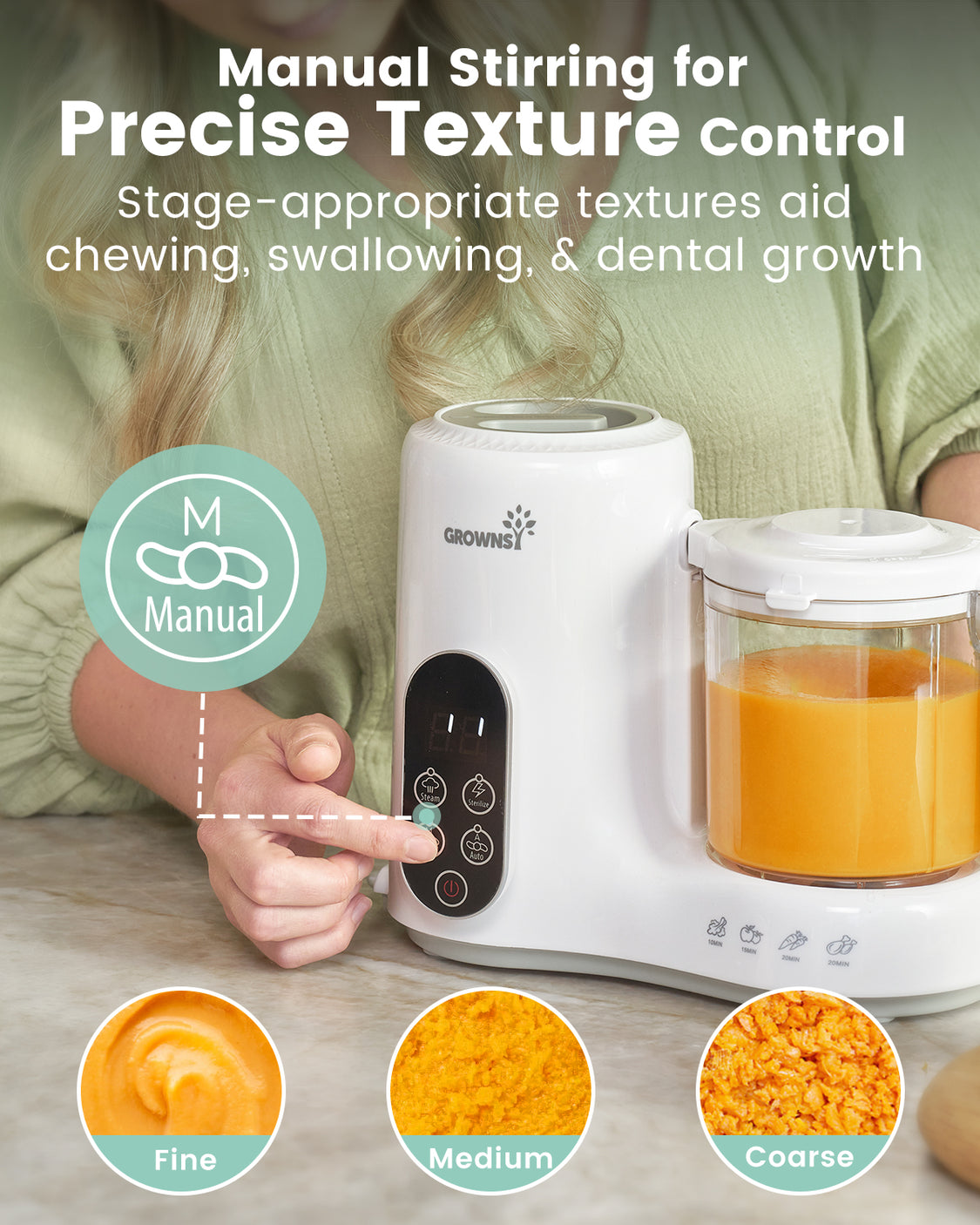
A baby food puree maker is specifically designed to create smooth, healthy purees from fresh fruits, vegetables, and grains. Unlike traditional blenders or food processors that may not achieve the fine consistency needed for infants, puree makers often come equipped with unique features that cater to the needs of babies and their parents. These appliances typically include precise blending capabilities, steam cooking options, and even built-in storage containers. The benefits of using a puree maker over pre-packaged baby food are manifold; not only do homemade purees eliminate the risk of harmful additives, but they also allow for a wider variety of flavors and nutrients. Many parents find joy in experimenting with different ingredients, customizing meals to their baby's preferences. For instance, one of my friends introduced her baby to a medley of seasonal fruits using her puree maker, creating delicious snacks that her baby eagerly devoured.
Key Factors to Consider When Choosing a Puree Maker
When selecting a baby food puree maker, there are several essential features to consider ensuring it fits your lifestyle and needs. First, think about the size and capacity of the appliance; if you are preparing food for multiple meals, a larger capacity may be beneficial. Additionally, ease of cleaning is crucial—look for models with removable parts that are dishwasher safe or can be easily rinsed under the tap. Safety features are also paramount; ensure the puree maker has sturdy construction and non-slip bases to prevent accidents during use. Lastly, consider any additional functionalities that may enhance your cooking experience, such as steaming options, a variety of blending speeds, or the ability to defrost and reheat. Friends of mine have shared how having these extra features has made meal prep not only easier but also more versatile, allowing them to prepare a range of foods as their babies grow.
Comparing Different Types of Baby Food Puree Makers
The market offers a variety of baby food puree makers, each type boasting its unique advantages and disadvantages. Handheld blenders are compact and easy to store, making them a great option for small kitchens or for parents who travel frequently. However, they may require more manual effort and can lead to inconsistent textures if not used carefully. Countertop models, on the other hand, typically offer larger capacities and more power, allowing for quicker and more efficient pureeing. While they may take up more space, they are ideal for batch cooking. Multi-functional cookers combine several kitchen tasks into one appliance, often allowing you to steam, blend, and store all in one device. While they can be more expensive, their versatility makes them an attractive choice for busy families. I remember a friend who opted for a multi-functional cooker, praising its ability to streamline her meal prep process, saving her time and effort.
Tips for Using a Baby Food Puree Maker Effectively
To get the most out of your baby food puree maker, there are practical tips you can follow for optimal results. First, always wash and peel your fruits and vegetables as necessary before cooking, as this will help to maintain the purity of flavors in your purees. When preparing food, consider cooking ingredients to the appropriate tenderness—steaming is often a great method to retain nutrients while making them easier to blend. Furthermore, try to batch-cook and store purees in ice cube trays or small containers for easy access during the week. This approach not only saves time but also allows you to mix and match flavors as your baby develops their palate. Lastly, don’t hesitate to experiment with adding herbs and spices to enhance the nutritional value and taste of your homemade baby food. A friend of mine swears by adding a pinch of cinnamon to her apple purees, claiming it adds a delightful twist that her baby loves.
Enhancing Your Baby Food Preparation Journey
Choosing the right baby food puree maker is essential for making the process of preparing nutritious meals for your baby easier and more enjoyable. By understanding the different types available, considering key features, and following effective usage tips, you can create a delightful range of purees that cater to your baby's taste and nutritional needs. As you embark on this journey of homemade baby food, remember to assess your specific needs and preferences to find the perfect puree maker that fits seamlessly into your lifestyle. With the right tools in hand, you'll not only nourish your little one but also enjoy the magical experience of cooking for them.