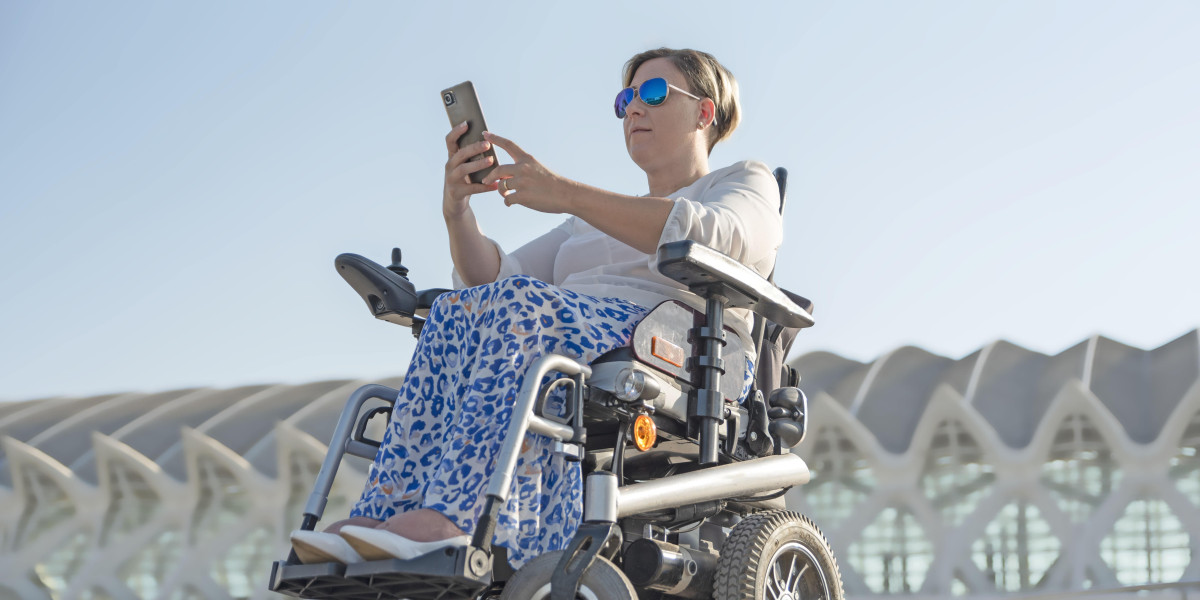
Recovering well takes more than good intentions; it takes consistent action. We focus on safety and outcomes so your care stays sustainable in the real world. The path starts with daily routines and then grows into simple checks. Rather than quick hits, we shape small improvements that hold under pressure. You’ll see how timing each play a role in better results, whether you’re easing a sore back or rebuilding after a sprain. We’ll show plain steps you can tailor to your setting, from a light workplace setup to a small clinic. We want you confident about what comes next, so each section gives next actions. By the end, you’ll know how to track quality without getting overwhelmed.

Define what matters now, then shape the next steps
Scoping starts with plain language and a quick inventory of limits, like time, pain triggers, or family duties. You can list simple outcomes with Suggested Reading then rank them by impact and effort. Break a big aim into small checkpoints, such as walking five extra minutes, holding a plank for ten seconds, or practicing sit‑to‑stand without hand support. Pick a tiny lever to pull now, then lock it in. In a home setting, you might set a rule like, "after lunch, I do two gentle rounds of breathing and posture resets." That keeps the plan doable and makes progress hard to miss.
When a plan gets fuzzy, risk creeps in, so write down when, where, and how. Keep it short enough to fit on a sticky note. If a setback hits—say, a long day sitting—have a reset move ready, like two minutes of easy hip shifts. A tiny script beats a long manual when you’re tired. Consult a qualified Physiotherapist early if pain patterns change fast or you’re unsure about load.
Use the right gear, feedback, and space to move well
The best "equipment" is what you’ll use, not what clutters the room. Lay out a yoga mat near a wall, and jot a short checklist with physiotherapy tuscany village so setup takes under a minute. For feedback, use your phone camera at waist height to spot wobble on squats. Record once a week to keep it objective. If grip is an issue, try a light loop band; if balance is shaky, position a chair beside you. Keep water nearby, and set a timer to avoid "just one more" reps when form fails.
In a light commercial gym, place cones to mark stance width, or tape the floor for stance lines. Color cues beat complicated instructions when you’re focused on effort. If you’re rehabbing a shoulder, start with a soup can before buying a dumbbell set. Less gear often means fewer excuses. If symptoms localize to the low back after sitting, book a Chiropractic screen to rule out red flags before changing load.
Design a weekly rhythm that your body and calendar accept
Consistency beats intensity, especially in the first four cycles. Stack sessions to a habit trigger, like brushing teeth or closing your laptop; then set a 15‑minute bracket with physiotherapy tuscany village to reduce decision fatigue. Use an A/B pattern: A for mobility and breath, B for strength and balance. Switch days so you train variety without overload. For a desk worker, mornings might be best before meetings compress the day. Shift the heaviest work to when you’re most alert and pain is lowest.
Add ramps and brakes. Start with two warmup moves, then your main pair, and end with one down‑regulation drill. If stress runs high, shorten the middle, not the bookends. Track time under tension, not just reps, to keep the flow honest. When a week goes sideways, keep the shape, cut the volume. If fatigue feels systemic, pause new moves and run a deload cycle guided by Kinesiology testing from a trained pro.
Spot errors early and course‑correct before setbacks grow
Quality comes from repeatable checks you can do even on a busy day. Film two reps facing the camera with physiotherapy tuscany village and two from the side, then compare to last week using a three‑point scale: better, same, or worse. For single‑leg work, watch hip drop; for presses, scan wrist stacking over elbow; for hinges, look for spine neutrality. If one cue keeps failing, lower intensity or range. Keep a pain log with time of day, move, and sensation type—sharp, dull, or burning—and note what eases it.
Set push/pause thresholds. Push if pain stays below 3/10 and fades within a day; pause if it spikes above 5/10 or lingers past 48 hours. Simple lines reduce guesswork when motivation runs hot. For balance drills, use a hallway so a wall is in reach. Trim ego, boost data, and improvement speeds up. If needle‑based care is appropriate, discuss Acupuncture with a licensed provider, especially for stubborn trigger points that resist standard unloading.
Keep results alive through small care rituals and periodic resets
Think of progress like a garden: add light mulch and it thrives. Save a 10‑minute mini‑routine for off days, and pair it with physiotherapy tuscany village to keep the habit attached to real life. Rotate in easy mobility on travel weeks; swap in walking meetings when schedules crush focus. Tiny anchors prevent backslides that cost weeks. If a flare starts, cut volume by half for two sessions, then retest your simplest movement.
Every eight weeks, run a refresh. Re‑test a plank, a sit‑to‑stand count, and a short balance hold; reset targets by one notch. Keep the mission, tune the knobs. In team settings, post the three tests on a wall so anyone can self‑check during warmups. Shared cues build a culture of safe effort. For persistent stiffness under load, a short series of Acupuncture may help relax protective tone, while a Chiropractic reassessment can confirm joint mechanics; coordinate care so signals don’t clash.
Progress feels complex until you break it into small, repeatable parts. We scoped goals, picked usable tools, built a rhythm, set quality checks, and protected gains with simple upkeep. With clear lines and light habits, results stack quietly. If pain patterns change or progress stalls, involve a clinician early; a collaborative plan keeps risk low and keeps you moving.