

Unlock the Perfect Light Box: Your Ultimate Guide to Choosing the Best!
In the world of photography, art, and advertising, the light box has emerged as an essential tool for both professionals and hobbyists alike. These versatile devices offer a controlled lighting environment, making it easier to capture stunning images, showcase art, or create eye-catching displays. Whether you’re a budding photographer looking to enhance your portfolio or an artist wishing to highlight your creations, understanding light boxes and their functions is crucial. This comprehensive guide aims to inform potential buyers about the various types of light boxes available, key features to consider, and tips on comparing models, so you can make an informed decision tailored to your needs.
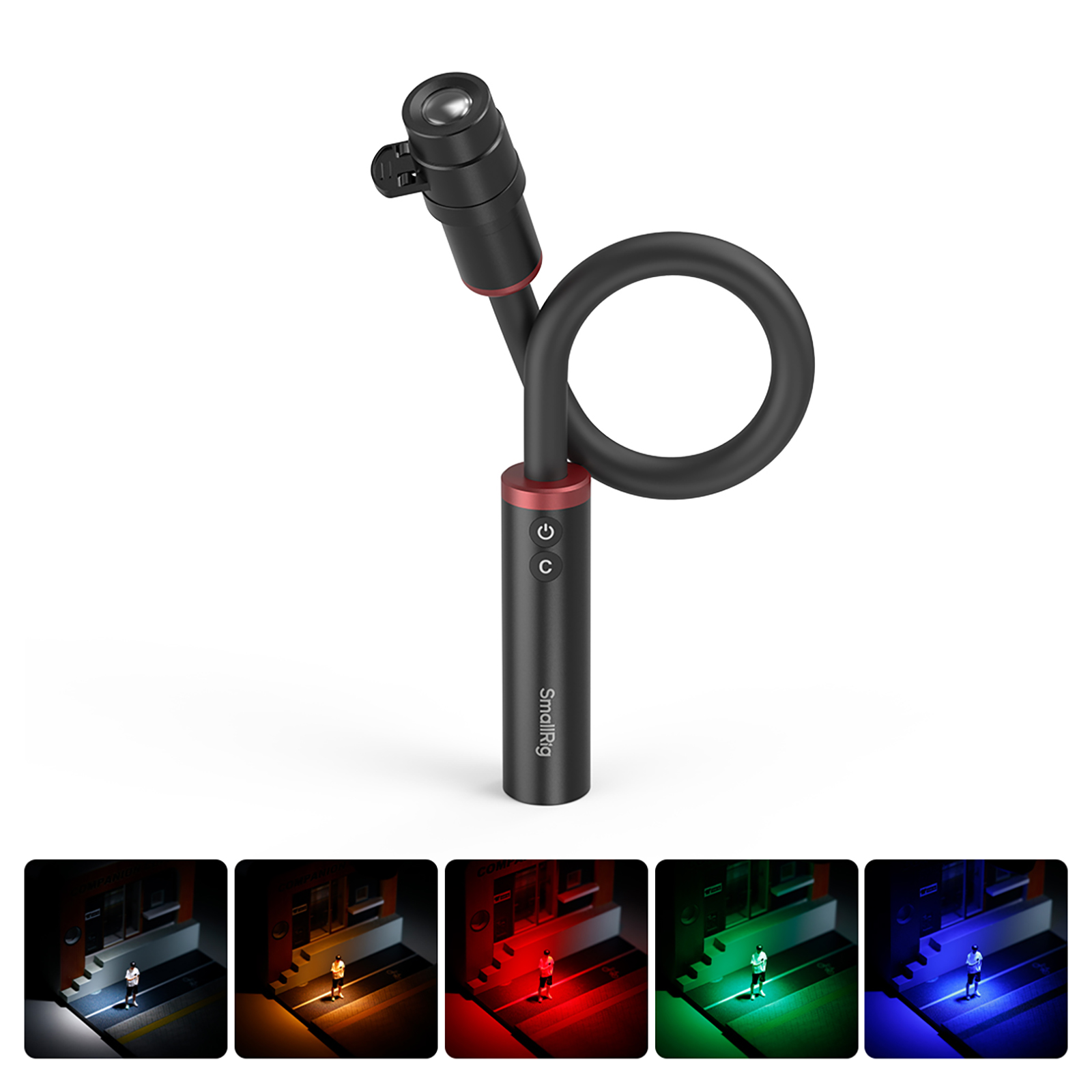
Understanding Light Boxes
A light box, at its core, is a translucent box that uses an internal light source to illuminate objects placed inside or in front of it. This creates a soft, even lighting effect that minimizes shadows and highlights details, making it ideal for photography and display purposes. There are several types of light boxes available on the market, such as portable light boxes for on-the-go photography, larger studio light boxes for professional setups, and LED light boxes for artists who need a backlit surface for tracing or drawing. Each type caters to specific needs and preferences, making it important to identify how you plan to use a light box before making a purchase.
Key Features to Consider
When choosing the right light box, several key features should be taken into account. Size is a primary consideration; a larger light box may be necessary for bigger objects or artworks, while a smaller, portable option might be more suitable for travel or limited space. Brightness is another crucial aspect—look for adjustable brightness settings to manipulate the light intensity according to your needs. Portability is important for those who plan to use their light box in different locations, so consider weight and ease of setup. Finally, the materials used can affect durability and performance; a sturdy construction ensures longevity, while quality lighting elements (like LED lights) provide better color accuracy and energy efficiency.
Comparing Different Models
With a plethora of models available, comparing different light boxes can be overwhelming. Start by assessing the features that matter most to you—if you’re a photographer, for instance, you may prioritize size and brightness, while an artist might focus on portability and material quality. Look for user reviews and ratings to gauge usability and performance before making a decision. It’s also beneficial to consider the intended audience for your work; if you’re showcasing products for sale, a light box with a more professional finish may be necessary, while casual users might find a budget-friendly model sufficient.
Price Ranges and Budgeting
Light boxes can range significantly in price, influenced by features, size, and brand reputation. Basic models can be quite affordable, while professional-grade options may come with a higher price tag. Setting a budget before you start shopping is essential; consider what features are non-negotiable for your needs and which ones you can compromise on. Look for sales or discounts to get the best value for your money. Additionally, opting for a light box that offers a warranty may provide peace of mind regarding your investment.
Maintenance and Care Tips
To ensure your light box remains in optimal condition, regular maintenance is key. Dust the exterior and interior gently with a microfiber cloth to prevent dirt buildup, and avoid using harsh chemicals that could damage the materials. If your light box uses replaceable bulbs, be sure to follow the manufacturer’s recommendations for replacements. When not in use, store your light box in a cool, dry place away from direct sunlight to protect it from heat damage. Taking these simple steps can significantly prolong the life of your light box and maintain its performance.
Making an Informed Choice on Light Boxes
Choosing the right light box can greatly enhance your photography, art, or advertising efforts. By understanding the different types available, considering key features, comparing models, and being mindful of pricing, you can make an informed decision that suits your specific needs. Remember, investing in a quality light box not only helps you achieve better results but can also inspire creativity and improve your overall workflow. Take the time to evaluate your options, and you’ll find the perfect light box that fits seamlessly into your creative pursuits.