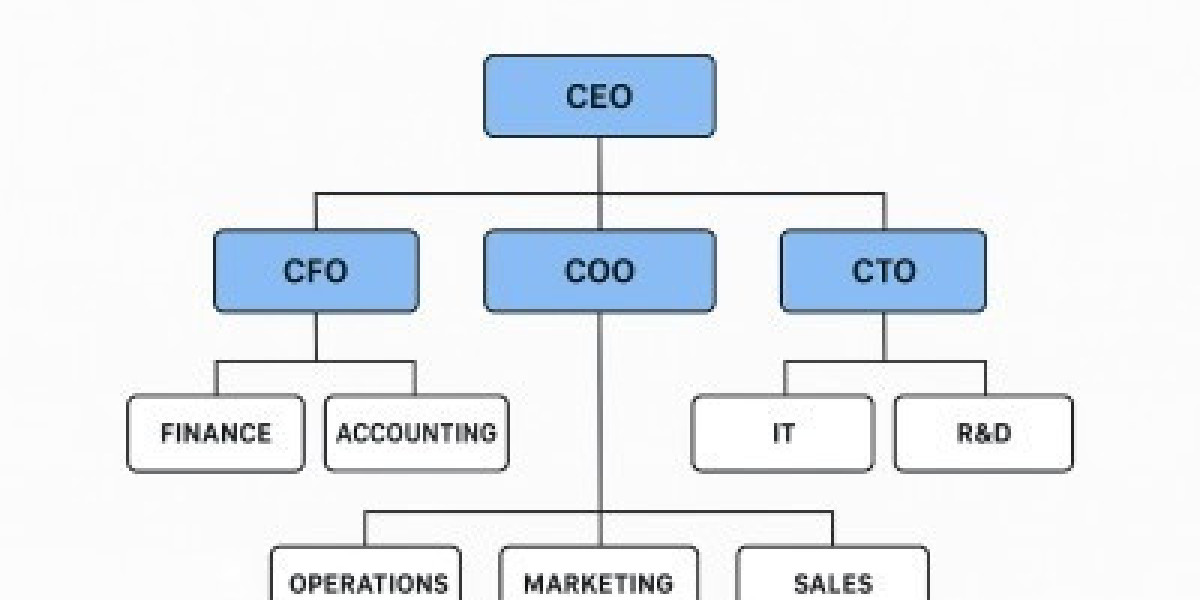

In many organizations, the org chart is something that gets created once, saved as a PDF, and rarely revisited. It typically shows names, titles, and departments—useful, but ultimately static. Today’s dynamic business landscape, however, calls for something more adaptable and insight-driven. This is where the actionable org chart becomes a valuable tool.
Unlike traditional charts, an actionable org chart goes beyond hierarchy. It maps relationships, strategic roles, business functions, and influence lines. It becomes something you can use rather than simply reference. For sales, marketing, operations, and strategic planning teams, it supports real decision-making by revealing how an organization truly works.
This article explores what an actionable org chart is, how it works, and why more businesses are integrating it into their daily operations. You’ll also learn practical ways to create and leverage one—whether you’re targeting enterprise accounts, improving workflow clarity, or preparing for organizational change.
What Makes an Org Chart “Actionable”?
A standard org chart shows who reports to whom. It’s often limited to job titles, department names, and boxes connected by lines.
An actionable org chart, by contrast, includes contextual and functional insights, such as:
Strategic roles and decision-making authority
Influence networks beyond formal hierarchy
Cross-departmental collaboration lines
Project ownership and key responsibilities
Stakeholder priorities and engagement levels
Internal or external relationships relevant to business development
In other words, it's a living map of an organization, not just a structural snapshot.
Here’s what typically distinguishes an actionable org chart:
1. Dynamic and Continuously Updated
Rather than remaining static, the chart evolves as people, roles, and organizational needs change.
2. Data-Rich
It incorporates information relevant to outreach, business expansion, operations, or internal planning.
3. Interactive and Searchable
Users can filter by department, role function, project group, location, or strategic importance.
4. Insight-Focused
The chart helps users make decisions, such as identifying decision makers, mapping influence, or planning engagement strategies.
For example, platforms that specialize in advanced organizational intelligence often provide actionable org charts for Fortune 500 or enterprise-level companies—charts with deeper insights than traditional directory-style visuals.
Why Actionable Org Charts Matter in Today’s Business Environment
Organizations are becoming more interconnected and specialized. Decision-making often involves multiple stakeholders rather than just top executives. A modern company might have matrixed teams, hybrid structures, and cross-functional units with shared responsibilities.
This complexity makes traditional charts insufficient for real-world use. The actionable org chart solves several pain points:
1. It Makes Decision-Makers Visible
Traditional titles don’t always reveal who influences purchasing decisions or strategic shifts. An actionable org chart highlights:
Economic buyers
Technical evaluators
Champions and influencers
Gatekeepers
Cross-functional contributors
This is especially valuable for account-based selling, enterprise engagement, and partner alignment.
2. It Clarifies How Departments Interact
Instead of separate silos, the chart reveals how different units collaborate. This supports:
Workflow optimization
Cross-functional project planning
Conflict resolution
Change management initiatives
3. It Enhances Team Alignment
Whether you’re onboarding new employees or planning departmental changes, an actionable org chart helps team members quickly understand roles and relationships.
4. It Supports Better Strategic Planning
By surfacing hidden structures—informal networks, influence channels, or project-based teams—an actionable org chart helps leaders plan:
Restructuring
Expansion
Leadership development
Succession planning
5. It Improves External Engagement
For sales, marketing, or partnership teams, the chart becomes a roadmap to navigate enterprise accounts. It reduces guesswork and ensures outreach is targeted and relevant.
Practical Ways to Use an Actionable Org Chart
Different teams can benefit in different ways. Here are practical, everyday uses that make an actionable org chart a high-value resource.
1. Account-Based Selling (ABS)
Sales teams often struggle with identifying the right person to contact within large, layered organizations. An actionable org chart enables them to:
Map complete account structures
Identify decision makers vs. influencers
Personalize outreach based on role and context
Build multi-threaded communication strategies
Track relationships over time
Instead of relying on assumptions or outdated lists, sellers can approach each account with clarity.
2. Marketing Persona Alignment
For marketing teams, an actionable org chart helps refine messaging by revealing:
Who controls budgets
Who initiates research
Which roles experience the pain points your solution addresses
This supports more targeted campaigns and higher engagement rates.
3. Customer Success & Account Management
Customer success teams can use actionable org charts to:
Identify stakeholders who influence renewals
Understand ownership changes inside client organizations
Map champions, detractors, and users
Track communication paths
This helps maintain strong long-term relationships.
4. Workforce Planning and Internal Alignment
HR and leadership teams use actionable org charts to manage:
Succession planning
Leadership pipelines
Department restructuring
Skills and capability mapping
Hybrid and remote team visibility
When paired with ongoing updates, the chart becomes a strategic internal operations tool.
5. Mergers, Acquisitions, and Integrations
During integration phases, it becomes critical to understand:
Overlapping roles
Critical leadership positions
Cultural networks
Communication dependencies
An actionable org chart smooths transition by making structures transparent.
Elements to Include in a High-Quality Actionable Org Chart
To build a functional and genuinely useful org chart, consider incorporating some or all of the following elements:
1. Roles and Responsibilities
Not simply titles—what the role actually does and owns.
2. Decision-Making Authority
Who approves budgets, signs contracts, sets strategies, or commands influence.
3. Department Goals and Functions
High-level objectives that shape how each department interacts with others.
4. Contact or Communication Preferences
Internal teams benefit from knowing how individuals prefer to collaborate.
5. Influence Mapping
Highlighting informal leaders, cross-functional contributors, and project-based networks.
6. Relationship Context
For external users (sales, marketing, partnerships), add notes like:
“Influences procurement decisions”
“Technical evaluator”
“Executive sponsor”
These enrich the chart with actionable insights.
How to Build an Actionable Org Chart
Building one from scratch can be time-consuming, especially for large enterprises. Many organizations use automated solutions or platforms specializing in org intelligence—particularly when targeting Fortune 500 or global businesses.
If you're creating your own internally, follow these steps:
Step 1: Define the Purpose
Determine whether the org chart will be used for:
Internal planning
Sales/account engagement
Marketing segmentation
Strategic analysis
Operational clarity
This sets the structure and level of detail.
Step 2: Gather Accurate Data
Collect information through HR systems, CRM tools, internal directories, interviews, or research.
Step 3: Map Structure and Relationships
Include formal and informal reporting lines, dotted-line roles, and cross-functional teams.
Step 4: Add Actionable Insights
Layer in the context that makes it useful—decision authority, functions, influence levels, and communication notes.
Step 5: Make It Interactive and Searchable
Using a dynamic tool or digital platform ensures your chart stays updated and usable.
Step 6: Maintain It Regularly
A stale org chart quickly loses value. Assign responsibility for updates or use automated systems that refresh data periodically.
Common Challenges When Using Actionable Org Charts—and How to Solve Them
Challenge 1: Keeping Information Updated
Org structures change frequently.
Solution: Set update cycles or rely on automated data intelligence tools.
Challenge 2: Collecting Informal Relationship Data
Influence lines aren’t always documented.
Solution: Encourage managers and team leads to provide insights regularly.
Challenge 3: Overloading the Chart With Too Much Data
Complexity can reduce usability.
Solution: Use layers, filters, and categories instead of stuffing all information into one view.
Challenge 4: Ensuring Accessibility Across Departments
Some charts become siloed.
Solution: Store them in a central, searchable platform where everyone can access appropriate versions.
The Future of Actionable Org Charts
As organizations continue to evolve, so will the need for more intelligent org mapping. Emerging trends include:
AI-assisted insights that identify informal influencers
Automated data enrichment to keep charts updated
Org behavior analytics to reveal communication patterns
Real-time collaboration views for hybrid teams
Role/persona-based filtering for targeted planning
In the future, org charts may not just display structure—they may predict organizational shifts before they happen.
FAQ: Actionable Org Charts
1. What is an actionable org chart?
An actionable org chart is a dynamic, interactive organizational map that includes structural hierarchy along with deeper insights such as decision-making roles, influence relationships, responsibilities, and cross-functional collaboration lines.
2. How is an actionable org chart different from a traditional org chart?
Traditional charts show static hierarchy, while actionable org charts include context, insight, role functions, and interactive elements that support decision-making and operational planning.
3. Who benefits most from using actionable org charts?
Sales teams, marketing departments, customer success professionals, HR teams, leadership groups, and project managers all benefit from the insights and clarity these charts provide.
4. How often should an actionable org chart be updated?
Ideally, it should be updated continuously or at least monthly. Because roles shift frequently, automation or scheduled updates help maintain accuracy.
5. Can actionable org charts support account-based selling?
Yes. They are extremely effective for identifying decision-makers, mapping influence networks, planning outreach strategies, and understanding large enterprise accounts in depth.