

Silver and gold have captivated human civilization for hundreds of years, serving not solely as treasured metals but also as symbols of wealth, energy, and sweetness. This case examine explores the historical significance, financial implications, and cultural impacts of silver and gold, highlighting their roles in shaping societies and economies around the world.
Historic Significance
The historical past of silver and gold dates back to historical civilizations. Gold was first used by the Egyptians around 3000 BC, primarily for making jewelry and ceremonial artifacts. The allure of gold was so profound that it grew to become a regular for wealth and power, often related to deities and royalty. Silver, whereas additionally worthwhile, was often seen as a secondary metal, used more for foreign money and trade.
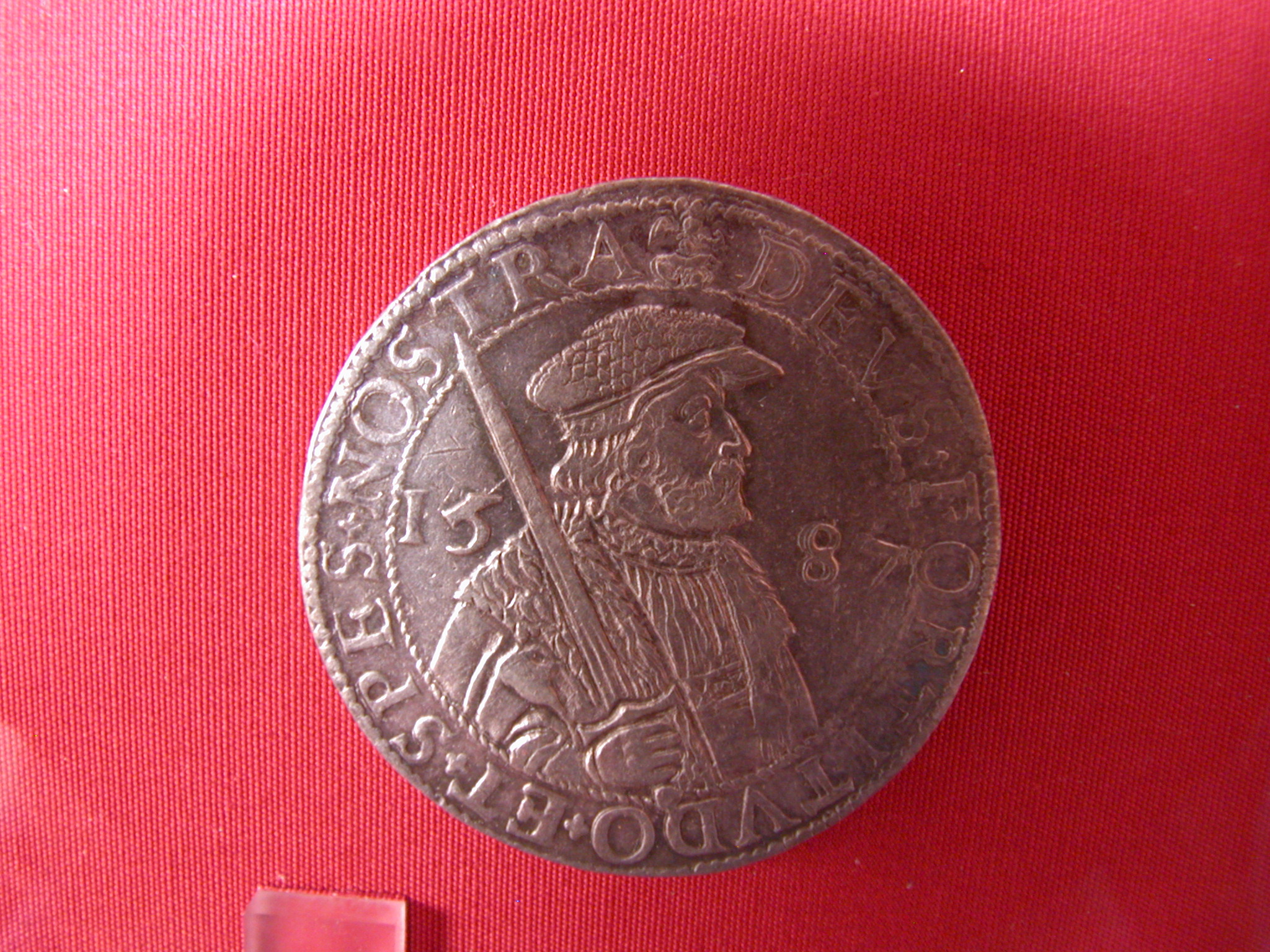
The use of those metals advanced over time. The Lydians are credited with creating the first coins made from electrum, a naturally occurring alloy of gold and silver, around 600 BC. This innovation revolutionized trade, allowing for standardized values and fostering financial growth. The Roman Empire further popularized using order gold coin online and silver coins, which became essential in facilitating commerce throughout huge territories.
Financial Implications
All through history, silver and buy gold today have played vital roles in world economies. Their worth has been driven by various elements, together with provide and demand, geopolitical stability, and inflation. Throughout instances of financial uncertainty, traders often flip to valuable metals as a safe haven, leading to increased demand and higher prices.
In trendy occasions, gold is usually considered as a hedge against inflation and forex devaluation. Central banks world wide hold vital reserves of gold, utilizing it to stabilize their currencies and maintain economic confidence. The worth of gold is influenced by varied components, including interest charges, foreign money fluctuations, and world economic conditions. As an illustration, throughout the 2008 monetary disaster, gold costs surged as traders sought security amidst market volatility.
Silver, whereas also thought of a protected haven, has additional industrial purposes that influence its worth. Used in electronics, solar panels, and medical tools, silver's demand is carefully tied to technological developments and industrial development. This dual nature of silver—serving each as a valuable metallic and an industrial commodity—creates distinctive market dynamics that differ from those of gold.
Cultural Impacts
Beyond their economic significance, silver and gold have profound cultural impacts. They have been used in artwork, jewellery, and religious artifacts, symbolizing standing, beauty, and spirituality. In many cultures, gold is related to the divine, representing purity and eternity. For instance, in Hinduism, gold is revered and infrequently utilized in religious ceremonies, whereas in Christianity, gold is often associated with the divine and the afterlife.
Silver, too, holds cultural significance. In many cultures, it is seen as a symbol of wealth and prosperity. In Mexico, for instance, silver is deeply intertwined with the nation’s identity, with the town of Taxco being famous for its silver craftsmanship. Moreover, silver has been utilized in varied conventional ceremonies and rituals throughout completely different cultures, reflecting its significance in social and cultural contexts.
Fashionable Trends and Future Outlook
In recent times, the demand for both silver and gold has been influenced by changing consumer behaviors and technological developments. Gold continues to be a popular choice for funding, with gold ETFs (alternate-traded funds) gaining traction among buyers. Moreover, the rise of cryptocurrencies has introduced a brand new dynamic to the precious metals market, as some view digital currencies as an alternative to traditional safe-haven assets.
Silver has seen a resurgence in recognition, significantly amongst youthful investors keen on sustainability and inexperienced technology. The rising demand for photo voltaic energy has positioned silver as an important component in photovoltaic cells, driving curiosity in its industrial purposes. Moreover, the rise of e-commerce has made it simpler for people to spend money on silver and gold, fostering a brand new technology of collectors and investors.
Challenges and Issues
Despite their enduring appeal, both silver and gold face challenges in the modern economy. Environmental considerations concerning mining practices have led to elevated scrutiny of the trade, with requires extra sustainable practices. If you have any kind of inquiries relating to where and how you can utilize best place to buy gold coins online, you can contact us at the web-site. The extraction of these metals can have vital ecological impacts, prompting discussions about accountable sourcing and moral issues.
Moreover, market volatility poses risks for investors. While valuable metals are often seen as protected havens, their costs can fluctuate dramatically based mostly on international financial circumstances, geopolitical tensions, and adjustments in investor sentiment. Understanding these dynamics is essential for anybody contemplating investing in silver or gold.
Conclusion
Silver and gold have transcended time, serving as extra than just valuable metals; they are integral to our history, economy, and culture. As we transfer forward, their roles will proceed to evolve, influenced by technological advancements, altering consumer preferences, and world financial situations. Whether or not viewed as investments, symbols of status, or cultural artifacts, silver and gold will undoubtedly remain important in our lives for generations to return. As we navigate the complexities of the fashionable world, the timeless allure of those metals will proceed to captivate and inspire, reminding us of their enduring legacy.