Unlock Your Photography Potential: The Secret to Choosing the Perfect Professional Tripod!
In the world of photography, stability is paramount. Whether you're a seasoned professional or an enthusiastic beginner, a professional phone tripod can be a game-changer for your mobile photography. Imagine capturing breathtaking landscapes without the blur from a shaky hand or framing the perfect portrait with impeccable precision. Using a tripod not only enhances the stability of your shots but also allows for creative compositions that might otherwise be challenging to achieve. As mobile photography continues to evolve, the need for equipment that supports your artistic vision becomes increasingly important. In this guide, we will explore how to choose the right professional phone tripod that aligns with your photography goals, ensuring that you can capture stunning images every time.
Understanding Your Photography Needs
Before diving into the myriad of tripods available, it's crucial to understand your specific photography needs. Are you passionate about capturing expansive landscapes, or do you prefer intimate portraits? Perhaps macro photography fascinates you, where the details of tiny subjects come to life. Each of these styles demands different characteristics from a tripod. For instance, landscape photographers often require a sturdy tripod that can withstand wind and uneven terrain, while portrait photographers might seek something more portable that allows for quick adjustments. Personally, I remember my friend who loves macro photography often struggling with stability when getting up close to flowers. Once she invested in a professional tripod designed for macro work, her images transformed dramatically. Knowing what type of photos you want to capture will guide your tripod selection process effectively.
Key Features to Look For in a Professional Phone Tripod
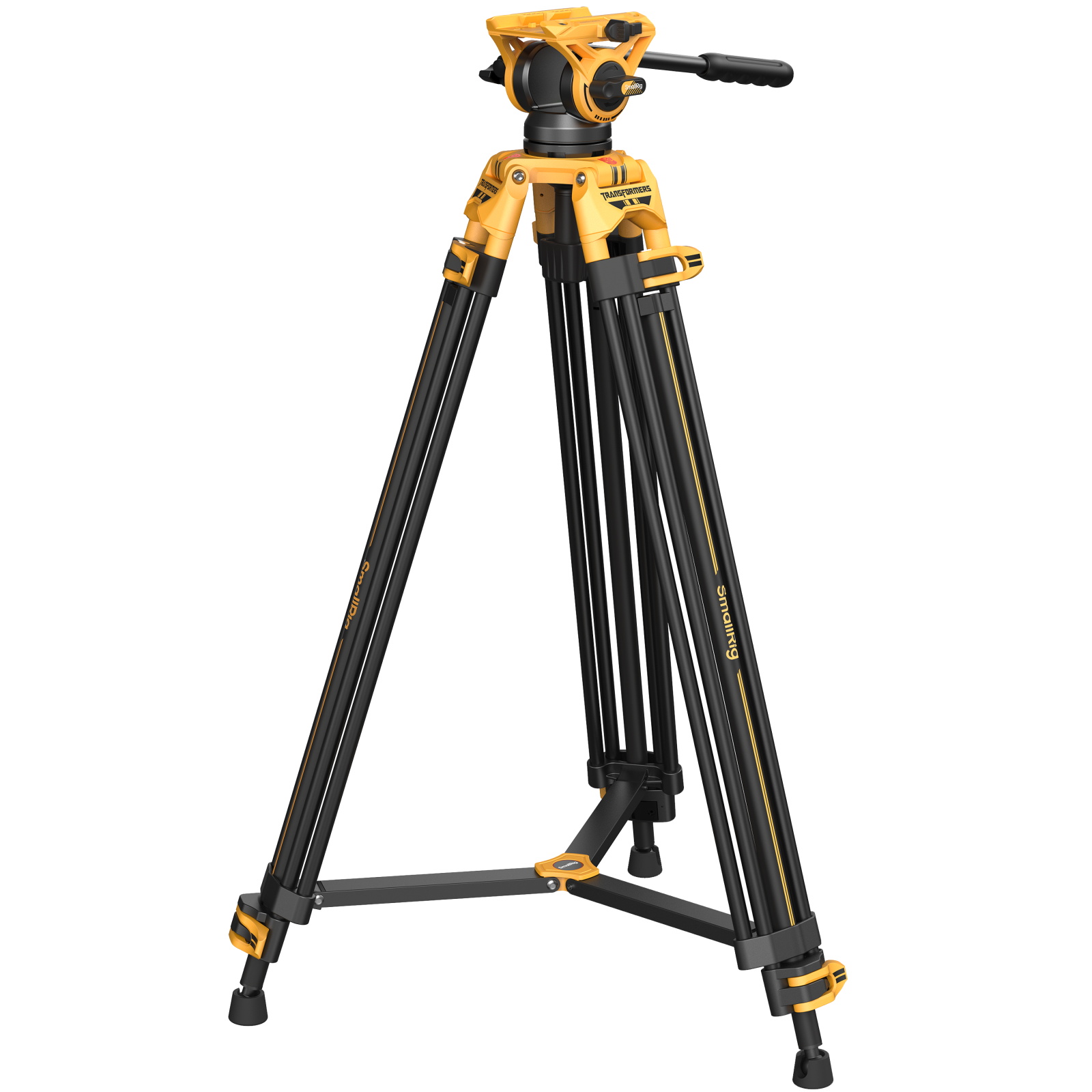
When searching for a professional phone tripod, several key features should be at the forefront of your decision-making process. First, consider height adjustment; a tripod that can extend to multiple heights allows for greater versatility in shooting angles. Next, think about weight and material—lightweight materials like carbon fiber offer portability without sacrificing stability, making them ideal for travel. Leg stability is another essential factor; look for tripods with rubber feet or spikes for better grip on various surfaces. Each of these features plays a pivotal role in how usable and effective your tripod will be in real-world situations. My photography buddy once made the mistake of opting for a cheap, flimsy tripod that couldn’t handle the weight of his setup, leading to frustratingly blurry shots. Choosing wisely can prevent such pitfalls.
Portability and Convenience
For many photographers, especially those who enjoy shooting on the go, portability is a significant consideration when selecting a tripod. A compact design ensures that your equipment can easily fit into your bag without adding excessive weight. However, it’s essential to strike a balance between stability and portability; a lightweight tripod might not provide the support needed for long exposures or heavy setups. Features like foldable legs and quick-release mechanisms can enhance convenience, allowing you to set up and break down your gear swiftly. I recall a hiking trip where my friend was able to capture stunning sunset shots thanks to his lightweight, portable tripod. It allowed him to navigate the trails effortlessly while still ensuring stable images. Always think about how and where you plan to shoot; that will guide your choice toward a suitable design.
Budget Considerations
Determining a budget for your professional tripod is an essential step in the selection process. Tripods come at various price points, and it’s crucial to balance cost with features and quality. Consider what features are necessary for your photography style and which ones can be compromised. Investing in a higher-quality tripod may seem daunting initially, but it often pays off in durability and performance. Remember, a tripod is an investment in your craft, and spending a little more can lead to significantly better photography outcomes. A friend of mine once opted for a budget tripod only to replace it a year later with one that suited her needs better. By establishing a budget that reflects the importance of this tool, you can avoid similar pitfalls and make a more informed decision.
Tips for Using Your Tripod Effectively
Once you've selected the right tripod, knowing how to use it effectively is vital to maximizing its potential. Start by ensuring that all legs are evenly extended and locked in place for maximum stability. Experiment with height adjustments to find the best angle for your shot. When framing your compositions, take your time; the beauty of using a tripod lies in the ability to be patient and deliberate. Additionally, avoid common mistakes like touching the camera during exposure, which can lead to unwanted vibrations. Instead, use a timer or remote shutter release to capture your images. I learned this the hard way during a long exposure attempt, where even a slight touch caused a blur. Mastering these techniques will help elevate your photography game significantly.
Final Thoughts on Selecting the Ideal Tripod
Choosing the right professional phone tripod can significantly enhance your photography skills and the quality of your images. By understanding your specific needs, evaluating essential features, considering portability, and establishing a realistic budget, you can make an informed decision that supports your creative journey. Remember, the right tripod is not just a tool; it's an investment in your passion for photography. Take your time, explore your options, and soon you'll find the perfect tripod that will empower you to capture breathtaking images with ease.