
Unlock the Sound: Discover the Magic of Rechargeable Bluetooth Hearing Aids!
Hearing aids have long been a lifeline for individuals with hearing loss, enhancing their ability to engage with the world around them. As technology has advanced, these devices have transformed from clunky, battery-operated models to sleek, sophisticated gadgets that seamlessly integrate with modern technology. In recent years, rechargeable Bluetooth hearing aids have emerged as a groundbreaking option, combining convenience and connectivity in a way that enhances the user experience. This article will delve into the world of rechargeable Bluetooth hearing aids, exploring how they function, their numerous benefits, and the key factors to consider when choosing the right pair for your needs. Whether you are new to hearing aids or looking to upgrade, this guide aims to provide valuable insights to help you make an informed decision.
Understanding Rechargeable Bluetooth Hearing Aids
Rechargeable Bluetooth hearing aids represent a significant leap forward from traditional hearing aids. Unlike their predecessors, which typically relied on disposable batteries, these innovative devices come equipped with rechargeable batteries that can last for several days on a single charge. The integration of Bluetooth technology allows users to connect their hearing aids to various devices, such as smartphones, tablets, and televisions, enabling a more personalized listening experience. Bluetooth technology works by creating a wireless connection between devices, allowing sound to be streamed directly to the hearing aids. This feature not only enhances sound quality but also allows users to control settings and manage their hearing experience through apps on their smartphones. Personal anecdotes from friends reveal how this connectivity has transformed their daily lives, making it easier to participate in conversations and enjoy entertainment without the hassle of constantly adjusting their hearing aids.
How Do Rechargeable Bluetooth Hearing Aids Work?
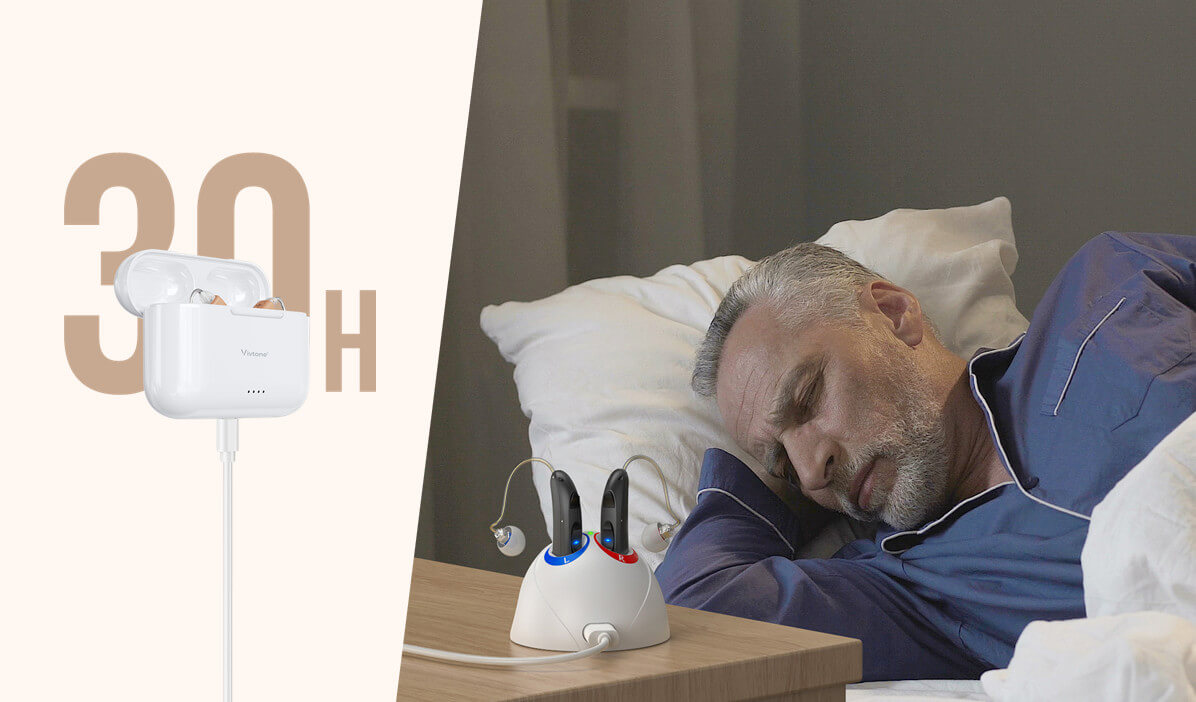
The mechanics behind rechargeable Bluetooth hearing aids are both fascinating and user-friendly. At the heart of these devices is a rechargeable battery, which can be powered using a charging dock or case. Users simply place their hearing aids in the dock at night, ensuring they wake up to fully charged devices ready for the day. Most rechargeable hearing aids boast impressive battery life, often lasting up to 24 hours on a single charge, depending on usage and settings. The process of connecting to Bluetooth devices is straightforward; users can pair their hearing aids with their smartphones or other Bluetooth-enabled devices through a simple setup process. Once connected, users can stream phone calls, music, and even television audio directly to their hearing aids, enhancing their listening experience significantly. A friend recently shared their excitement about attending a concert where they could stream the performance directly to their hearing aids, allowing them to enjoy the experience like never before.
Benefits of Using Rechargeable Bluetooth Hearing Aids
The advantages of rechargeable Bluetooth hearing aids are manifold. One of the most significant benefits is convenience; users no longer need to worry about changing batteries regularly, making maintenance much more manageable. Moreover, from a financial perspective, while the initial investment may be higher, the long-term savings on batteries can be substantial. Additionally, many users report improved sound quality with Bluetooth hearing aids due to advanced technology that processes sound more effectively. Statistics show that over 80% of users experience enhanced clarity and satisfaction with their hearing aids, leading to improved social interactions and overall quality of life. A friend of mine, who recently switched to Bluetooth hearing aids, has noticed a dramatic increase in their ability to participate in family gatherings, no longer straining to hear conversations, but instead enjoying every moment with clarity.
Considerations When Choosing Rechargeable Bluetooth Hearing Aids
When selecting rechargeable Bluetooth hearing aids, several important factors should be taken into account. Comfort is paramount; users should choose models that fit well and feel comfortable over long periods. Functionality is another critical consideration, as different models offer various features, such as noise cancellation, directional microphones, and multiple listening programs. Compatibility with devices is also essential; users should ensure their hearing aids can connect seamlessly to their smartphones or other devices, enhancing usability. To evaluate personal needs, potential users are encouraged to consult with hearing specialists who can provide tailored recommendations based on individual hearing loss profiles and lifestyle requirements.
Embrace Enhanced Hearing with Technology
Rechargeable Bluetooth hearing aids have revolutionized the way individuals experience sound, offering enhanced convenience, superior sound quality, and seamless connectivity to the digital world. By understanding how these devices work and the benefits they provide, users can make informed decisions that significantly improve their hearing health and overall quality of life. As you explore your options, consider the various features and functionalities that best meet your needs, and don’t hesitate to reach out to professionals for guidance. Embrace the magic of rechargeable Bluetooth hearing aids and unlock the sounds of life!